
How to Prepare Your Winchester Home for a Professional Paint Job
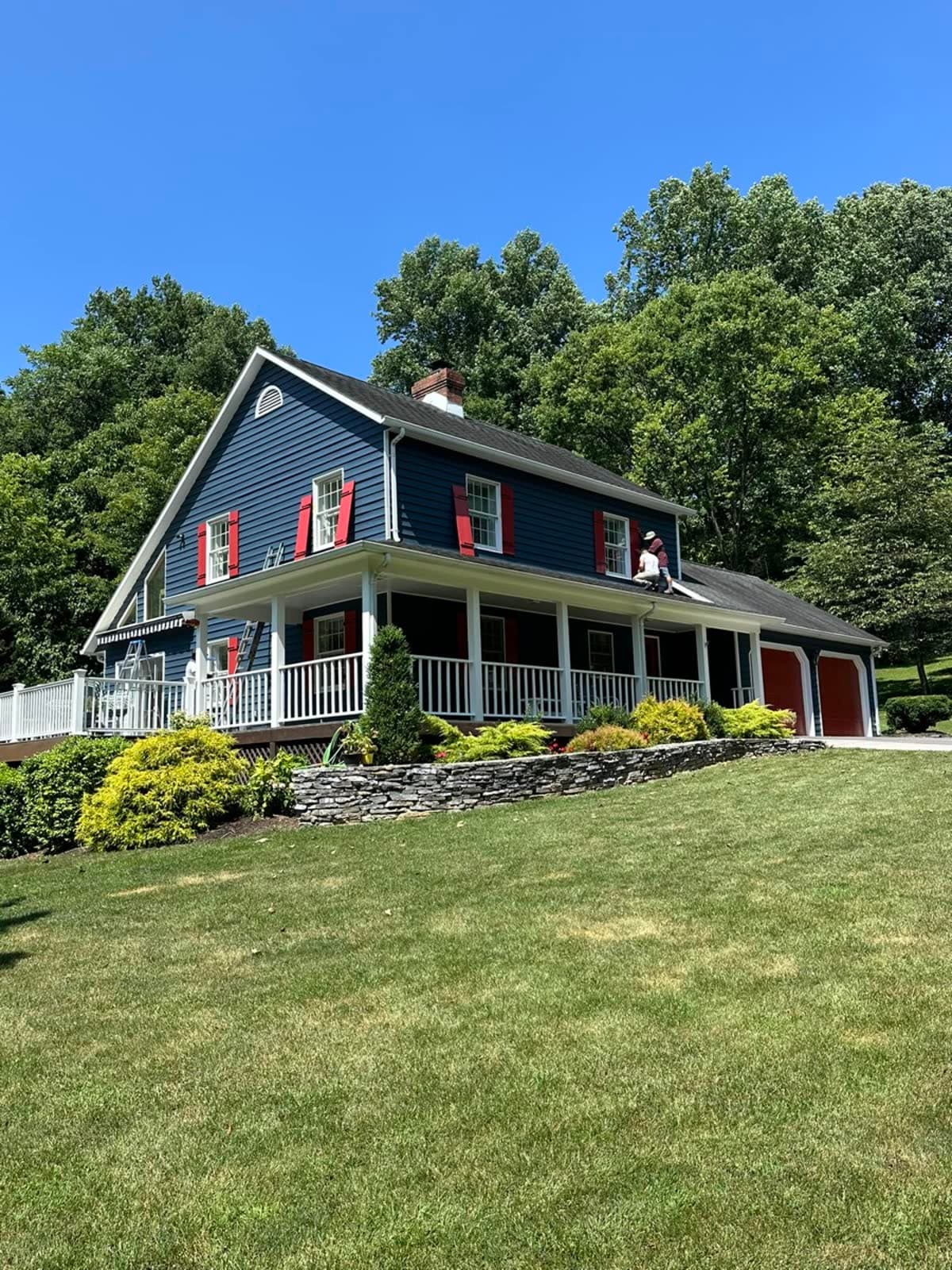
How Should You Prepare Your Home Before Professional Painters Arrive?
Before your painting crew arrives, do five things: clear small items and pull furniture to the center of each room, remove wall hangings and outlet covers, point out any wall or surface damage, lightly clean greasy or dusty walls, and (for exteriors) move outdoor items at least 10 feet from the house. That's the core checklist. The work you do before the crew shows up directly impacts the quality and efficiency of the project — a well-prepared home lets professionals focus entirely on surface prep and paint application instead of working around obstacles.
Do Homeowners Have to Do the Prep Work Themselves?
No — a professional crew handles all the technical preparation: patching, sanding, caulking, taping, priming, and protecting floors and furniture. The homeowner checklist below is about access and information, not labor. Clearing walls and flagging problem areas saves crew time (which keeps your project on schedule) and ensures nothing gets missed. If you can't move heavy furniture, don't worry — just tell your painter in advance.
How Far in Advance Should You Start Preparing?
Two or three days is plenty for most homes. Spread the interior checklist over a couple of evenings, and walk the exterior perimeter the weekend before an outside project. The one item that needs longer lead time is HOA color approval — some Winchester and Leesburg neighborhoods take weeks to approve exterior colors, so start that process when you book the job, not the week the crew arrives.
Interior Prep Checklist: Before the Crew Arrives
Whether we're painting a single room or a whole house in Winchester, Leesburg, or anywhere in the Shenandoah Valley, the same five steps apply:
1. Clear the Room
Remove as much as you can from the rooms being painted. Small items like picture frames, lamps, books, and decorations should be moved to another room entirely. For larger furniture like sofas, beds, and dining tables, move them to the center of the room so painters can access all walls. Our crew will cover these pieces with clean drop cloths, but having them away from the walls saves significant time.
2. Remove Wall Hangings and Hardware
Take down all artwork, mirrors, curtain rods, and shelving. Remove outlet covers and light switch plates — this allows for clean, professional paint lines and prevents hardware from being accidentally painted over. Place all screws, anchors, and plates in a labeled bag so you can reinstall them easily after the project.
3. Point Out Wall Damage
Walk through each room and note any nail holes, cracks, or drywall damage. Our crew handles patching and sanding as part of surface preparation, but pointing out specific concerns ensures nothing is missed. For larger repairs — like water-damaged drywall or significant plaster cracks, common in older homes around Old Town Winchester and Leesburg's Historic District — let us know in advance so we can plan the right repair approach.
4. Clean the Walls
Dusty or greasy walls prevent paint from adhering properly. In kitchens, wipe down walls and ceilings to remove cooking grease. In bathrooms, address any mildew or soap scum. For other rooms, a light dusting or wipe-down with a damp cloth is sufficient. Our crew does a final prep pass, but starting with reasonably clean surfaces improves the final result.
5. Flag Delicate Flooring
We bring our own professional-grade drop cloths and plastic sheeting, but if you have especially delicate hardwood floors or carpeting, consider adding a layer of rosin paper under our drop cloths for extra protection. Let us know about any flooring concerns so we can take appropriate precautions.
Exterior Prep Checklist: Before an Outside Paint Job
Exterior projects have their own short list. If you're still weighing the project itself, our Loudoun County exterior painting guide covers timing, materials, and cost — here's how to get the house ready once you've booked:
1. Clear the Perimeter
Move patio furniture, planters, grills, and outdoor decorations at least 10 feet away from the house. This gives the crew room to set up ladders, scaffolding, and drop cloths safely. Trim any bushes, hedges, or tree branches touching or within a few feet of the siding — this prevents moisture-trapping contact and gives us access to every surface.
2. Protect the Landscaping
If you have delicate flower beds, ornamental plants, or garden features close to the house, let us know. We'll cover them with breathable drop cloths during the project, but knowing about sensitive areas in advance helps us plan our approach.
3. Document Exterior Damage
Walk the perimeter of your home and note any areas of concern: peeling paint, soft or rotted wood, cracked caulk, damaged siding, or loose trim. Take photos if possible and share them before the project begins. This lets us plan material needs and allocate the right amount of time for repairs as part of your exterior painting project.
4. Coordinate With Your HOA
If your neighborhood has a homeowners association — common in newer Winchester developments and throughout Loudoun County — confirm your color selections are approved before the project begins. We can assist with the submission process and provide Benjamin Moore color samples to your HOA board if needed.
Homeowner Prep Checklist at a Glance
| Task | Interior or Exterior | When |
|---|---|---|
| Start HOA color approval | Exterior | When you book the project |
| Note and photograph damage | Both | 1 week before |
| Trim bushes and branches near siding | Exterior | Weekend before |
| Clear small items; center the furniture | Interior | 1–2 days before |
| Remove art, curtain rods, outlet covers | Interior | 1–2 days before |
| Wipe down kitchen/bathroom walls | Interior | 1–2 days before |
| Move patio furniture, grills, planters 10+ ft away | Exterior | Day before |
| Flag delicate floors, plants, and access details | Both | Day before |
What to Expect on Project Day
When our crew arrives, we do a final walkthrough with you to confirm the scope of work, review color selections, and address any last-minute questions. Throughout the project, we maintain a clean, organized worksite and communicate daily progress. At completion, Jeff Newlin or a crew lead walks you through the finished work to ensure every detail meets your expectations and our standards.
A note on older homes: if your house was built before 1978, federal law requires painters disturbing old paint to be EPA RRP (lead-safe) certified. Newlin Painting is fully EPA RRP certified, and we've been family-owned and painting Virginia homes since 1981 — 45 years of projects across Winchester, Leesburg, and the Shenandoah Valley, always with Benjamin Moore paints.
Ready to put your project on the calendar? Request your free estimate online — Jeff Newlin visits every property personally and provides a detailed written estimate with no obligation. If you're still budgeting, start with our Winchester interior painting cost guide.
Frequently Asked Questions
Do I need to move all my furniture before painters arrive?
No. Move small, breakable items out of the room entirely, then pull large pieces — sofas, beds, dining tables — to the center of the room. The crew covers everything with clean drop cloths and needs working space along each wall. If you physically can't move something heavy, tell your painter in advance and the crew will handle it on arrival.
Can I stay in my home while it's being painted?
Yes, in most cases. Crews typically work room by room so the rest of the house stays livable, and the low-VOC Benjamin Moore paints we use keep odor minimal. For whole-house interior projects, some families prefer to schedule bedrooms first so sleeping spaces are done and dry early. Exterior projects require no displacement at all — just keep windows closed near active work areas.
What happens if the painters find damage I didn't know about?
A good contractor stops and shows you. Hidden issues — rotted trim behind peeling paint, water-damaged drywall, failing caulk — occasionally surface once prep begins. We document the problem, explain the repair options and cost before doing any additional work, and adjust the plan with your approval. That's one reason a detailed written estimate and a pre-project walkthrough matter.
Does good preparation actually lower the cost of a paint job?
It can shorten the schedule, which matters most on multi-day projects. More importantly, prep protects quality: cleared walls and flagged damage mean the crew's time goes into patching, sanding, and careful application instead of moving boxes. Thorough surface prep is a major share of the work on older homes — beware of bids from any contractor who plans to skip it.
Do I need to be home during the paint job?
Only for the first-morning walkthrough and the final inspection. Beyond that, most Winchester and Leesburg homeowners go about their normal day — many arrange access and check in by phone. We communicate progress daily, keep the site clean and organized, and schedule the final walkthrough with Jeff Newlin or a crew lead at your convenience.
How do I choose a painting contractor I can trust with my home?
Verify a Virginia DPOR contractor license, confirm EPA RRP certification if your home predates 1978, ask for a detailed written line-item estimate, and check how long they've operated locally. Newlin Painting has been family-owned since 1981. For the full vetting checklist, read our guide on what to look for in a licensed painting contractor.
This guide supports our interior painting services in Winchester & Leesburg. See what the work involves, what it costs, and what customers say about it.
Our Painting Services
Ready to Start Your Project?
Get a free, no-obligation estimate from Newlin Painting.